Your cart is currently empty!
A Distinguished Wholesaler and Distributor of the Finest Handcrafts from Nepal


Handmade Singing Bowls
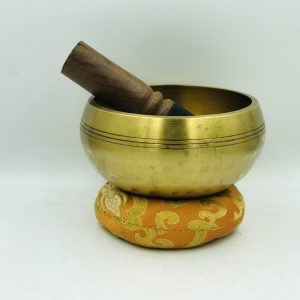
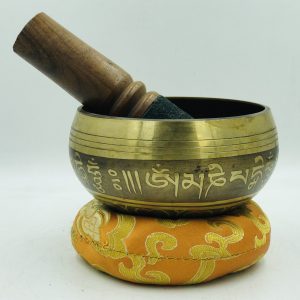
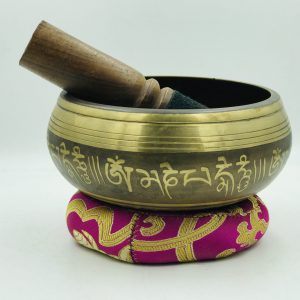
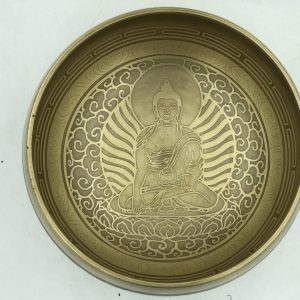
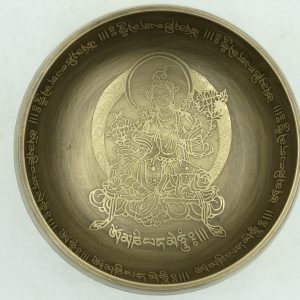
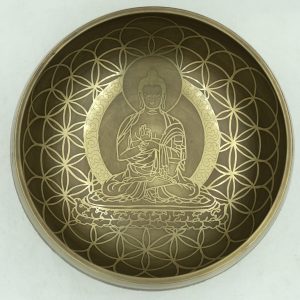
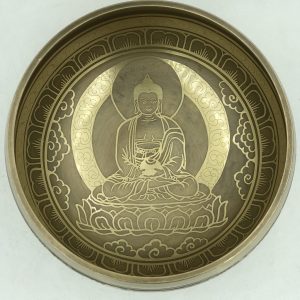
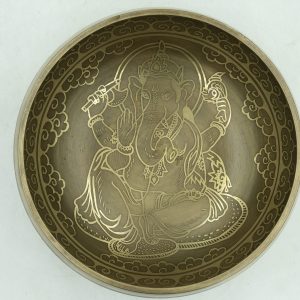
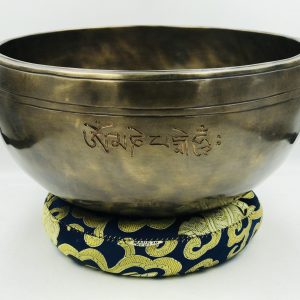
A handmade singing bowl is a unique and intricately crafted musical instrument, often originating from Himalayan regions. Artisans meticulously shape and hammer the bowl using traditional techniques, creating a resonant and harmonic sound when struck or rubbed with a mallet. These bowls are not only aesthetically pleasing with their handcrafted designs but are also valued for their potential therapeutic benefits in meditation, relaxation, and energy balancing. Each handmade singing bowl carries the artistry and cultural heritage of its crafters, making it a symbol of mindfulness and connection to ancient traditions.
Singing bowls are often associated with the seven chakras, which are energy centers in the body according to traditional Hindu and Buddhist philosophy. Here’s a brief summary of how singing bowls are connected to these chakras:
- Root Chakra (Muladhara): The first chakra, located at the base of the spine, is associated with grounding and stability. Singing bowls tuned to the root chakra are believed to help balance and energize this foundational energy center.
- Sacral Chakra (Svadhisthana): Positioned in the lower abdomen, the sacral chakra is linked to creativity and emotional well-being. Singing bowls aligned with this chakra are thought to stimulate creativity and enhance emotional balance.
- Solar Plexus Chakra (Manipura): Located in the upper abdomen, the solar plexus chakra is associated with personal power and confidence. Singing bowls attuned to this chakra aim to promote self-esteem and empower individuals.
- Heart Chakra (Anahata): Found in the center of the chest, the heart chakra relates to love, compassion, and emotional healing. Singing bowls harmonized with the heart chakra are believed to foster love and emotional balance.
- Throat Chakra (Vishuddha): Situated at the throat, the throat chakra is associated with communication and self-expression. Singing bowls tuned to this chakra aim to enhance clear communication and creativity in self-expression.
- Third Eye Chakra (Ajna): Positioned between the eyebrows, the third eye chakra is linked to intuition and insight. Singing bowls aligned with this chakra are thought to aid in meditation, promote intuition, and enhance spiritual awareness.
- Crown Chakra (Sahasrara): Situated at the top of the head, the crown chakra is associated with spiritual connection and enlightenment. Singing bowls attuned to the crown chakra are believed to facilitate deep meditation, spiritual growth, and a connection to higher consciousness.
The use of singing bowls in sound therapy is based on the idea that their vibrations and tones can harmonize and balance the energy flow within these chakras, promoting overall well-being and spiritual alignment.
Handpainted Authentic Thangka Painting
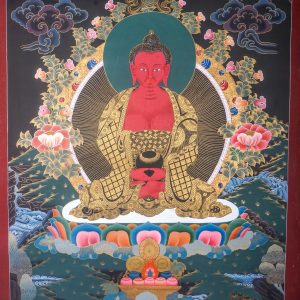
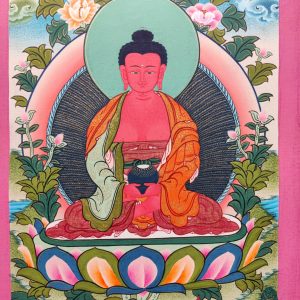
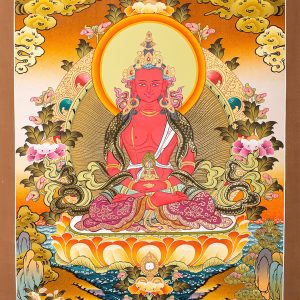
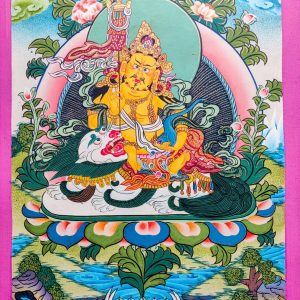
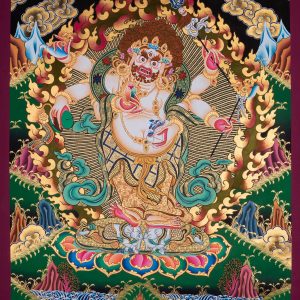
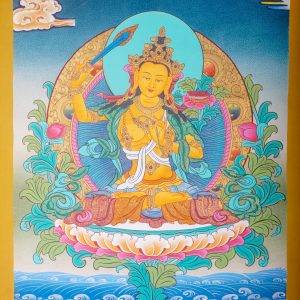
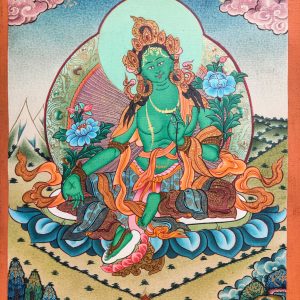
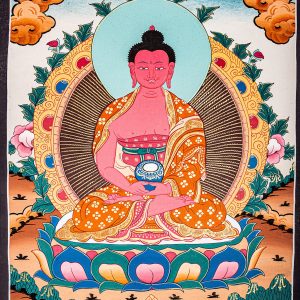
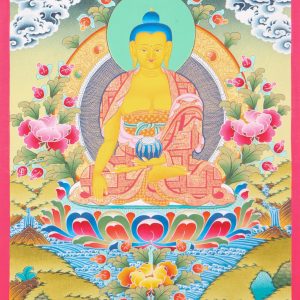
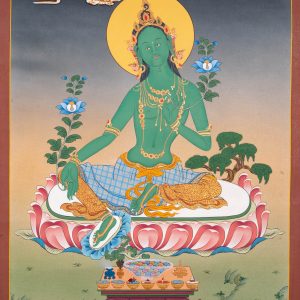
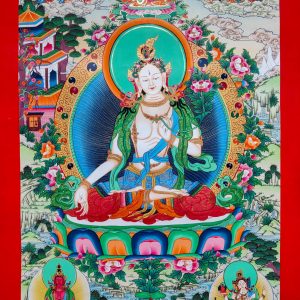
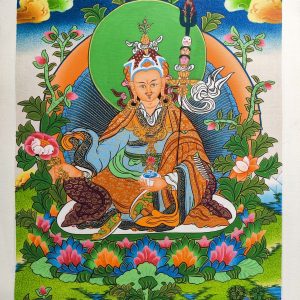
A Thangka is a traditional Tibetan Buddhist painting that typically depicts a deity, mandala, or a spiritual scene. These intricate artworks are often created on cotton or silk canvas and are characterized by vibrant colors, detailed brushwork, and symbolic elements. Here are key aspects of Thangka paintings:
- Spiritual Significance: Thangkas serve as visual aids for meditation and a means of conveying complex spiritual concepts. They are used in Tibetan Buddhism to deepen understanding and facilitate spiritual practice.
- Subjects and Themes: Thangkas feature a wide range of subjects, including Buddhas, Bodhisattvas, deities, and various scenes from Buddhist cosmology. The choice of subject often depends on the specific meditation practice or teachings being conveyed.
- Symbolism and Iconography: Each element in a Thangka holds symbolic meaning. Colors, gestures, and surrounding details are carefully chosen to convey deeper spiritual concepts. For example, a Buddha’s hand gesture (mudra) or posture may represent specific aspects of enlightenment.
- Materials and Techniques: Thangkas are traditionally painted using natural mineral pigments, often ground and mixed with water or glue. The canvas is prepared with several layers of priming to ensure durability. The intricate details are executed with fine brushes and sometimes even with gold or silver leaf for added richness.
- Ritual Use: Thangkas are frequently used in religious rituals, ceremonies, and festivals. They may be displayed in monasteries, temples, or homes as objects of veneration. Additionally, they are sometimes rolled up and carried in processions.
- Size and Format: Thangkas come in various sizes, from small portable ones to larger, more elaborate pieces. Some Thangkas are designed to be hung, while others are created as scroll paintings that can be rolled up for storage or transport.
- Cultural Heritage: The creation of Thangka paintings is considered a sacred and traditional art form, often passed down through generations within Tibetan communities. Many Thangkas are created by skilled artisans who undergo extensive training in both the artistic techniques and the spiritual significance behind the images they portray.
Thangka paintings serve not only as objects of artistic beauty but also as potent tools for spiritual practice and reflection within the context of Tibetan Buddhist traditions.